
Mae Wang National Park: The Nature Guide
Updated: Feb 8

What it is, what makes it special, and how to explore it from Ban Huai Hoi
If Chiang Mai city is where people come for markets, cafes, temples, and day trips…
Mae Wang is where they come to breathe.
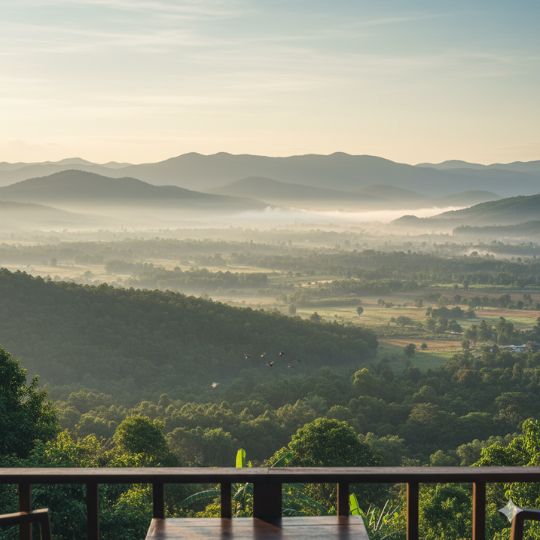
It’s quieter out here. Slower. Greener. The roads feel less “tourist route” and more “real Thailand.” You don’t hear traffic constantly. You hear birds. Water. Wind. The occasional motorbike in the distance. And if you stay long enough, you start realising that Northern Thailand’s best experiences are not the ones you book. They are the ones you enter.
Mae Wang National Park is part of that world.
If you are staying at Mountain Springs in Ban Huai Hoi, Mae Wang is not a day trip. It’s your backyard.
This guide explains what Mae Wang National Park is, what makes it different from the more famous Chiang Mai nature spots, and how to explore it in a way that feels meaningful, safe, and unforgettable.
What is Mae Wang National Park?
Mae Wang National Park is a protected natural area in Chiang Mai Province, known for its rugged landscapes, forested mountains, waterfalls, and unique geological formations.
For official reference, see the Tourism Authority of Thailand overview of Mae Wang National Park, which highlights the park as a nature destination in Chiang Mai.
It is also well known for Pha Chor, an extraordinary canyon-like formation shaped by erosion over time.
In short, this park is about:
forests and river valleys
mountain air
waterfalls
hikes and treks
dramatic natural landforms
rural landscapes that still feel wild
Why Mae Wang feels different from other Chiang Mai nature areas
Chiang Mai has many famous nature destinations. Doi Suthep. Doi Inthanon. Sticky waterfalls. National park lookouts.
Mae Wang is different.
Mae Wang feels:
less crowded
more local
more raw and natural
more flexible for custom exploring
less “built for tourism”
It is not an amusement park version of nature. It is nature still doing what it does.
That’s why it matches the Mountain Springs spirit so well. You are not here for spectacle.
You are here for space.
The highlight: Pha Chor (the hidden wonder)
If Mae Wang National Park has a signature landmark, it is Pha Chor.
Pha Chor is a towering, carved landscape of clay and sandstone shaped by erosion. It looks like a natural canyon, with vertical walls and winding paths that feel almost unreal.
It’s one of those places that looks like it belongs in a different country, or a different planet.
And yet it sits quietly in Mae Wang, waiting.
For details on the park and Pha Chor, Thai National Parks provides useful context.
What to expect at Pha Chor
dramatic cliff formations
narrow paths through carved earth
strong photo opportunities
intense heat during midday
minimal shade in sections
Bring water. Go earlier. And do not underestimate the sun.
Waterfalls and forest trails: Mae Wang’s true personality
Mae Wang is full of waterfall and forest energy.
It is the kind of area where:
waterfalls appear after a walk that feels like a real hike
trails change with the season
the landscape feels alive, not curated
Many trekking routes and local tours highlight Mae Wang’s waterfalls as a key experience.
If you want a waterfall day that feels truly connected to Ban Huai Hoi, we recommend planning it like a full nature day, not a rushed visit.
Best ways to explore Mae Wang National Park (from Ban Huai Hoi)
1) A “nature day” itinerary
This is the best fit for most Mountain Springs guests.
Morning
slow breakfast
drive out before heat builds
start with a hike or waterfall
Midday
picnic lunch or local food stop
rest in shade
Afternoon
visit a second nature spot (or Pha Chor)
return before sunset
This keeps the day balanced: active + calm.
2) A “photography + landscape” itinerary
Perfect for couples and solo travellers who want cinematic scenery.
go early for softer light
visit Pha Chor before midday
finish at a viewpoint or waterfall area
This creates variety: rock formations + greenery + water.
3) A “slow cultural nature” itinerary
This is the most Mountain Springs style of all.
village walk
forest trail
waterfall rest
bamboo rafting (optional)
This version does not chase attractions. It flows.
When to visit: season matters in Mae Wang
Dry season (November to April)
This is the most comfortable time for:
hiking
Pha Chor walking
exploring without mud
stable road access
Rainy season (May to September)
Rainy season brings:
greener forests
stronger waterfalls
slippery trails
changing river levels
Rainy season is beautiful, but it needs more care:
proper footwear
rain jacket
earlier starts
flexible plans
What to bring (simple but important)
If you are heading into Mae Wang National Park, bring:
1.5–2L water per person
hat
sunscreen
insect repellent
comfortable shoes
snacks
towel + swimwear (for waterfalls)
waterproof phone protection
This is not overkill. This is what makes the day easy.
Responsible travel: how to keep Mae Wang beautiful
Mae Wang stays special because it is still relatively untouched.
Please:
take all rubbish with you
keep noise low
avoid stepping off trails
do not carve names into rock or trees
respect local land and village spaces
A quiet place stays quiet because people protect it.
FAQ
Is Mae Wang National Park suitable for families?
Yes. Families can enjoy it most through shorter walks, waterfalls, and picnic-style exploring.
Do you need a guide?
Not always, but guided treks can add:
safety
cultural insight
better routes
better timing
How far is Mae Wang from Mountain Springs?
Mountain Springs is in Mae Wang district, which makes access easier than Chiang Mai city stays. Exact travel time depends on route and conditions.
Mae Wang is not a day trip when you stay in Ban Huai Hoi
Most travellers rush Mae Wang. They come in a van, do a tour loop, and leave.
Mountain Springs guests have a better option.
You can explore slowly. You can time it right. You can return to a peaceful mountain view and a hot shower. You can actually feel the landscape rather than consume it.
Mae Wang National Park is not just a place you visit.It is a place you enter.
And once you do, Chiang Mai feels bigger, deeper, and more alive.


Comments