
Bamboo Rafting on the Mae Wang River
Updated: Feb 8

The slow adventure that shows you Northern Thailand at its most beautiful
There are activities that make you feel like you’ve travelled.
And then there are activities that make you feel like you’ve arrived.
Bamboo rafting in Mae Wang is not about adrenaline. It’s not about ticking a box. It’s about moving through the landscape at the pace it deserves. No engines. No noise. Just river, bamboo, and the kind of silence that makes your shoulders drop without asking permission.
If you stay at Mountain Springs in Ban Huai Hoi, bamboo rafting is one of the most natural experiences to pair with the retreat. It’s calm, local, scenic, and it connects you to the area in a way that cars and schedules can’t.
This guide covers everything guests should know before rafting the Mae Wang River.
What is bamboo rafting?
Bamboo rafting is exactly what it sounds like: a raft built from bamboo poles, lashed together, steered by a guide using a long pole.
It is one of the most traditional forms of river travel in Thailand, used historically to move people and goods through forested areas. Today, it has become a cultural experience that still feels genuine, especially in rural Chiang Mai where the rivers run through real villages and green valleys.
Mae Wang is one of Chiang Mai’s best-known bamboo rafting areas. Many trekking and rafting tours in the region include Mae Wang rafting as a signature activity.
Reference: Bamboo rafting in Mae Wang
Why Mae Wang rafting feels different
Some travel experiences feel staged. Mae Wang rafting still feels like part of the land.
The river runs through:
dense green forest edges
farmland and valley views
quiet bends where you hear birds and water more than people
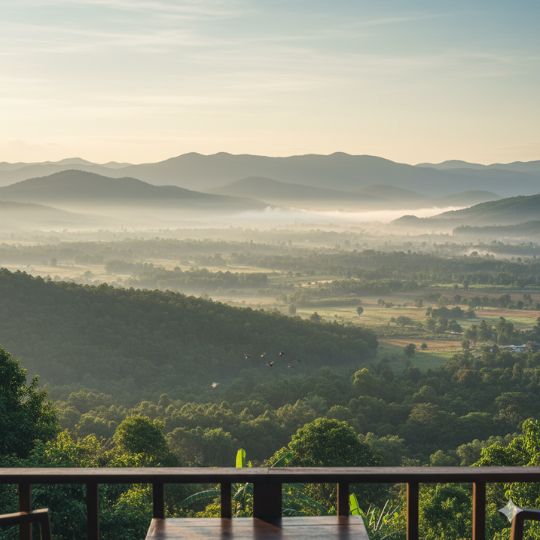
It also has the right energy for Mountain Springs guests. You’re already in the mountains.
You’re already unplugging. Bamboo rafting continues that mood.
It is not loud tourism. It is slow tourism.
What to expect on the day
Most bamboo rafting trips in Mae Wang are combined with other nature activities like trekking or waterfalls, especially for visitors coming from Chiang Mai city.
Typical rafting experience
you arrive at a river entry point
you meet your rafting guide
you step onto the raft (simple, stable, low to the water)
you float downstream while the guide steers and navigates
What it feels like
cool breeze
warm sun
gentle river motion
soft jungle sounds
occasional bumps over shallow stones
long peaceful stretches where you stop thinking
Many guests describe it as the most relaxing “activity” of their whole Chiang Mai trip.
Is bamboo rafting safe?
Bamboo rafting is generally safe when done with experienced guides and sensible conditions.
That said: this is still a river. It deserves respect.
Safety basics
wear a life jacket if provided
listen to the guide
keep your balance when stepping on/off
avoid standing on the raft unless instructed
keep valuables in a waterproof bag
Mae Wang rafting is not extreme whitewater rafting. It’s a calm river float, with occasional shallow areas and mild currents depending on season.
Best season for bamboo rafting in Mae Wang
This is where local knowledge matters.
Dry season (Nov–Apr)
calmer water levels
clearer conditions
more predictable experience
best for relaxed floating and photography
Rainy season (May–Sep)
stronger water flow
greener scenery
more dramatic river energy
higher chance of cancellation during heavy rain
The rainy season can be stunning, but it also brings unpredictability. If you want guaranteed calm rafting, dry season is the best choice.
What to wear + what to bring
This is not a fashion event. It’s a river day.
Wear
quick-dry shorts
lightweight t-shirt or long-sleeve sun top
sandals with grip or water shoes
hat
Bring
sunscreen
insect repellent
waterproof phone case or dry bag
towel
change of clothes
drinking water
Ethical tourism note: choose the right operator
Mae Wang rafting is often sold in bundles with elephant experiences. That’s where guests must be careful.
If a rafting tour includes:
elephant riding
elephant shows
forced bathing experiences
Skip it. Choose rafting separately or choose an operator aligned with ethical wildlife standards.
If you want a guide on ethical elephant experiences, read our full post: Ethical Elephant Experiences in Chiang Mai: How to Choose a Truly Responsible Sanctuary
A perfect Mae Wang day from Mountain Springs
If you want a “best of Mae Wang” day that feels balanced and not rushed, here’s the Mountain Springs rhythm:
The ideal itinerary
slow breakfast at Mountain Springs
short drive to rafting start point
bamboo rafting late morning
lunch nearby or picnic
waterfall visit or gentle village walk
return for sunset views and quiet evening
This creates a day that feels full without feeling frantic.
Photography tips (so your photos don’t look like everyone else’s)
Bamboo rafting is extremely photogenic, but the best shots come from:
early morning light
late afternoon light
river bends where the valley opens
low angle shots close to water level
Skip the selfie obsession. The landscape is the star.
FAQ
Is bamboo rafting suitable for kids?
Yes, for many families, as long as children are supervised and follow guide instructions.
Do you get wet?
Usually yes — at least your feet. Bring dry clothes.
Can you do bamboo rafting without trekking?
Yes. Many operators bundle activities, but rafting can be done as its own experience.
Final note: why bamboo rafting belongs on your Mountain Springs trip
At Mountain Springs, the experience is already slow and natural: mountain air, birds, wind chimes, forest views.
Bamboo rafting matches that energy perfectly.
It’s one of the few travel experiences that still feels simple in the best way. No performance. No rush. Just river, bamboo, and Northern Thailand unfolding around you.
If you want help planning bamboo rafting during your stay, message us and we’ll point you toward the best seasonal timing and local options.


Comments